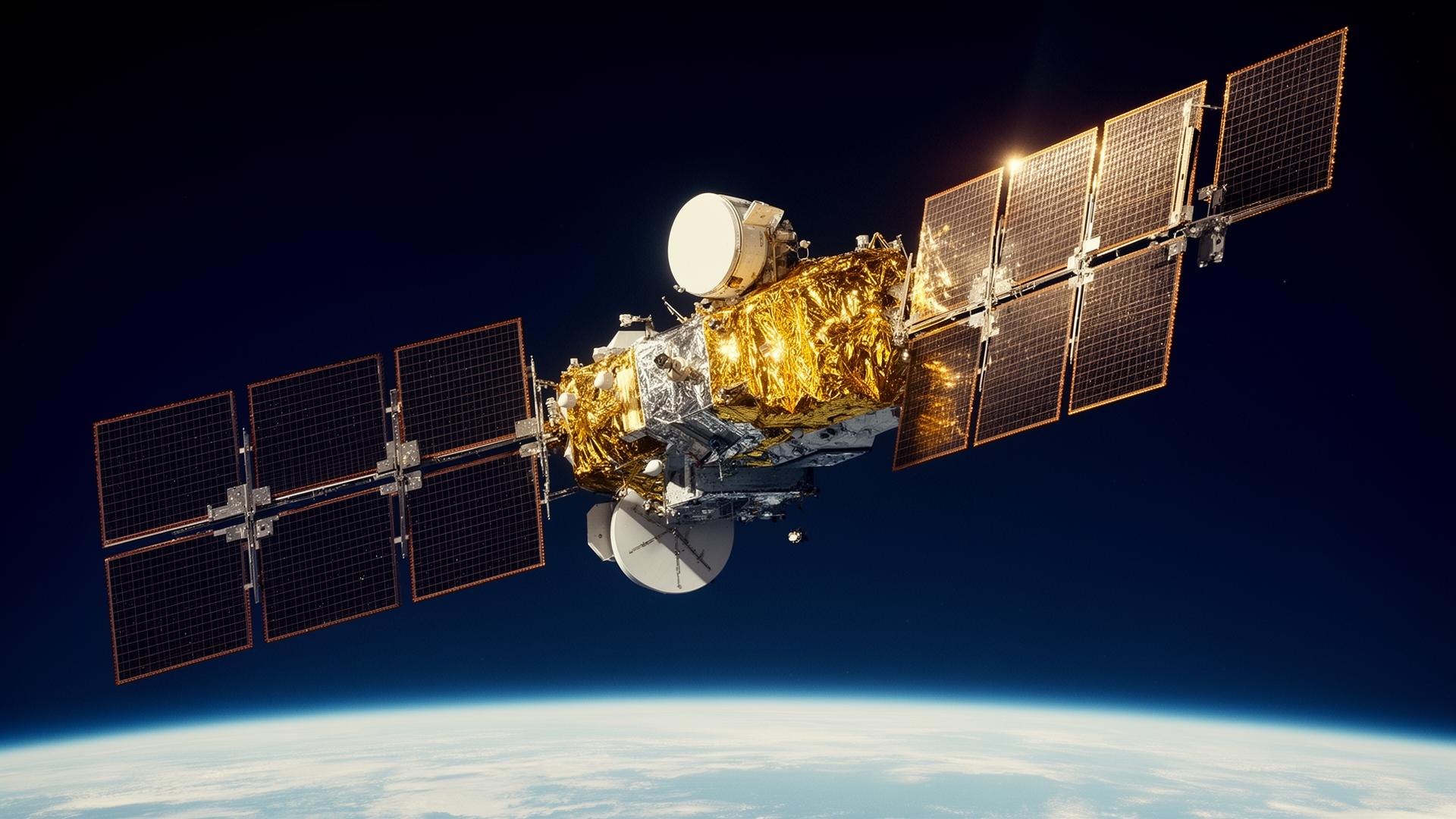
Research · Spacecraft Leasing
Spacecraft Leasing
A concise overview of the emerging market for leasing orbital assets — capacity, structure, and capital efficiency in the new space economy.
What Spacecraft Leasing Is
A capital-efficient pathway to orbit.
Access to Orbit Without Full Ownership
Operators secure capacity on existing or purpose-built spacecraft without the balance-sheet weight of acquisition.
Flexible Mission-Ready Capacity
Lease terms structured around mission duration, payload class, and geographic coverage requirements.
Faster Deployment vs Traditional Procurement
Time-to-orbit compressed from years to months by leveraging fleets already in service or in active build.
Simple Economics
Three principal leasing models.
| Model | Operator Benefit | Lessor Benefit |
|---|---|---|
Full Spacecraft Lease | Dedicated platform control without capex outlay or build risk. | Long-duration contracted revenue across the asset's useful life. |
Payload / Transponder Lease | Right-sized capacity matched precisely to mission demand. | Diversified, multi-tenant revenue from a single orbital asset. |
Hosted Payload | Lower-cost orbital presence by sharing the host bus. | Incremental revenue with marginal cost on existing missions. |
Risks
A balanced view of exposure.
Technical
- Hardware failure on orbit
- Collision and debris exposure
- Power and propulsion degradation
Market
- Shifts in capacity demand
- Pricing compression
- Launch-cost displacement
Regulatory
- Spectrum coordination
- ITU and national filings
- Export control regimes

Future Potential
A widening market for orbital capacity.
Leasing is positioned to scale alongside constellation deployment, defense modernization, and the emergence of in-orbit services.
- Growth of LEO constellations
- Expansion of Earth-observation markets
- Government and defense demand
- In-orbit servicing and refueling
- Space-as-a-Service models